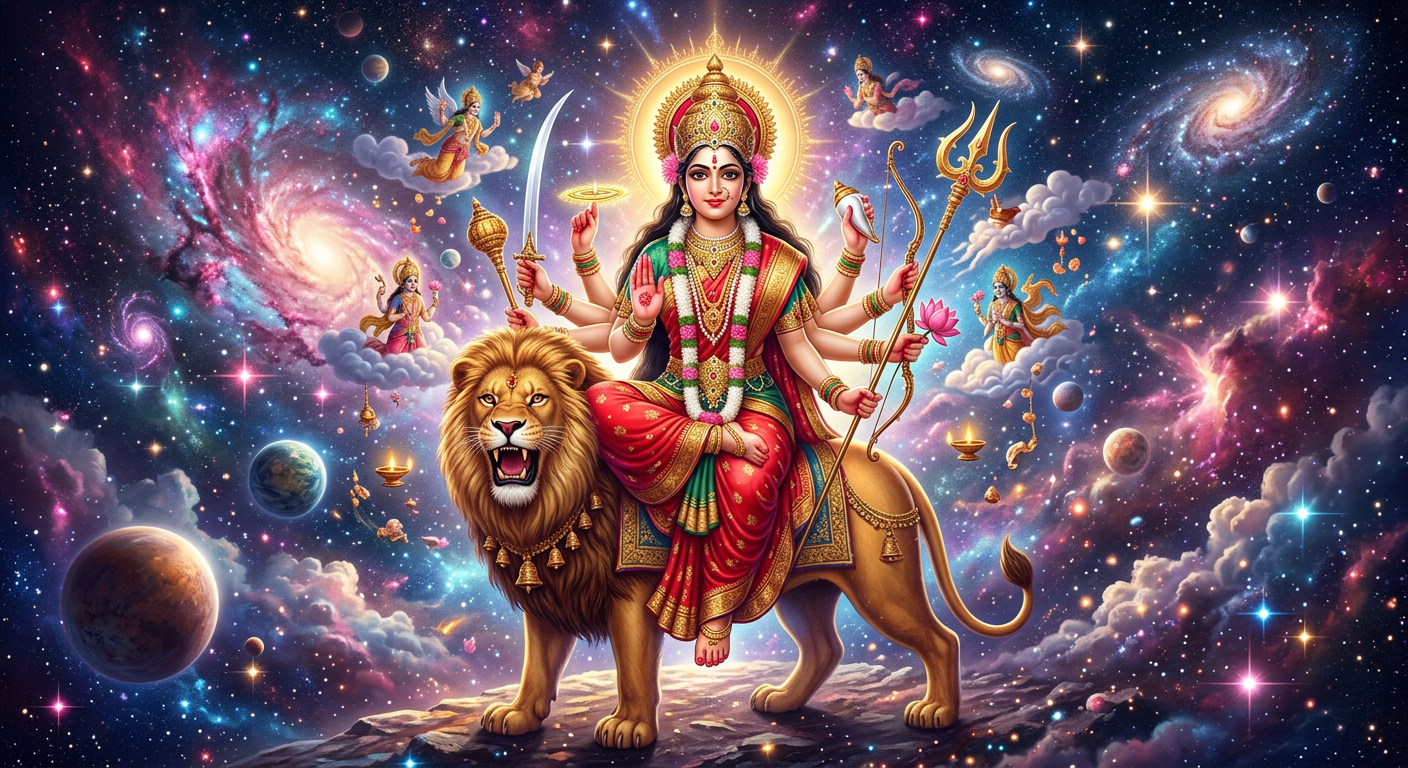
Durga Puja 2026: Dates, Calendar, Rituals and Significance
Durga Puja 2026 is one of the most anticipated Hindu festivals dedicated to Goddess Durga, the divine symbol of strength, courage, and the victory of good over evil. Celebrated with immense devotion, especially in West Bengal and other parts of eastern India, Durga Puja brings together religious traditions, cultural performances, artistic pandals, and community celebrations.
In 2026, the main Durga Puja festivities will take place from October 16 to October 21, with the traditional observances of Maha Shashthi, Maha Saptami, Maha Ashtami, Maha Navami, and Vijayadashami. Some observances extend across different civil dates because of the lunar calendar.
Whether you are planning to visit a Durga Puja pandal, participate in traditional rituals, or learn about the festival's spiritual meaning, this guide covers the important dates, customs, and celebrations of Durga Puja 2026.
Durga Puja 2026 Dates and Calendar
Durga Puja follows the Hindu lunar calendar, so the dates vary each year. The main celebrations are associated with the bright fortnight of the Hindu month of Ashwin.
Here are the major dates for Durga Puja 2026, according to the commonly followed Bengali Durga Puja calendar.
| Festival | Date in 2026 | Significance |
|---|---|---|
| Mahalaya | October 10, Saturday | Marks the transition toward Devi Paksha and the beginning of the festive atmosphere |
| Sharad Navratri Begins | October 11, Sunday | Nine-day worship of the forms of Goddess Durga begins |
| Maha Panchami | October 15, Thursday | Preparations and festive activities ahead of the main puja |
| Maha Shashthi | October 16, Friday | Traditional welcome and invocation of Goddess Durga |
| Maha Saptami | October 17–18, Saturday–Sunday | Navapatrika rituals and Saptami observances |
| Maha Ashtami | October 19, Monday | Pushpanjali, Kumari Puja in some traditions, and Sandhi Puja |
| Maha Navami | October 20, Tuesday | Navami worship, offerings, and traditional rituals |
| Vijayadashami | October 21, Wednesday | Farewell to the goddess and the celebration of victory over evil |
Important: Durga Puja dates and ritual timings can vary according to location, local panchang, and regional traditions. In 2026, some tithis overlap civil dates. Confirm the exact timings with a reliable local calendar before planning a specific ritual.
What Is Durga Puja?
Durga Puja is a major Hindu festival celebrating Goddess Durga and her victory over Mahishasura, a powerful demon who represents destructive forces and arrogance. The story symbolizes the triumph of righteousness over evil and the power of divine protection.
The festival is particularly significant in West Bengal, where elaborately decorated pandals, beautifully crafted idols, devotional music, and community gatherings form an important part of everyday life during the celebration.
Durga Puja is also observed in Assam, Tripura, Odisha, Jharkhand, Bihar, Delhi, and many other regions of India. Hindu communities around the world celebrate the festival while preserving their regional traditions.
Significance of Durga Puja
Durga Puja holds deep religious, cultural, and spiritual significance. Goddess Durga is worshipped as the embodiment of Shakti, or divine feminine power.
The festival carries several important messages:
Victory of good over evil: The story of Goddess Durga defeating Mahishasura represents the triumph of righteousness over destructive forces.
Strength and courage: Devotees seek the goddess's blessings for courage, resilience, and the ability to face challenges.
Faith and devotion: Prayers, mantras, offerings, and devotional songs help people deepen their spiritual connection.
Community and togetherness: Families, friends, and communities come together to celebrate shared traditions.
Art and cultural heritage: Durga Puja showcases traditional craftsmanship, sculpture, music, dance, and regional creativity.
For many devotees, Durga Puja is not just a religious occasion but also a time for reflection, gratitude, and renewal.
Maha Shashthi: The Beginning of the Main Celebrations
Maha Shashthi, observed on October 16 in 2026, marks the beginning of the main Bengali Durga Puja festivities.
Traditional rituals associated with this day include Bodhan, Amantran, and Adhivas. These observances are connected with invoking and welcoming Goddess Durga.
Puja committees often complete the final preparations of their pandals, and devotees eagerly look forward to visiting the goddess's beautifully decorated idols.
The rituals performed on Shashthi may vary among communities and according to local customs.
Maha Saptami: Navapatrika and Traditional Worship
Maha Saptami is associated with Navapatrika Puja, a traditional ritual involving a group of nine plants representing aspects of nature and divine energy.
In Bengali tradition, the Navapatrika is ritually bathed and placed for worship. The banana plant, commonly called Kolabou in this context, is an important part of the observance.
Devotees visit pandals, offer prayers, and participate in community celebrations. Traditional customs may differ between individual puja committees and family ceremonies.
Maha Ashtami: Pushpanjali and Sandhi Puja
Maha Ashtami is one of the most spiritually significant days of Durga Puja. In 2026, it falls on Monday, October 19, according to the commonly followed Bengali Durga Puja calendar.
Devotees often gather in large numbers to offer Pushpanjali, or flowers accompanied by sacred prayers, to Goddess Durga.
Other important observances may include:
Kumari Puja: Worship of a young girl as a manifestation of the Divine Mother in communities that follow this tradition.
Sandhi Puja: A special worship performed at the transition between Ashtami and Navami tithis.
Durga prayers and offerings: Devotees participate in rituals according to their family and community traditions.
Sandhi Puja is associated with a specific lunar transition, so its exact clock time should be checked in the local panchang rather than assumed from the civil date alone.
Maha Navami: Prayers and Offerings
Maha Navami, observed on October 20 in 2026, is another important day of worship dedicated to Goddess Durga.
Devotees participate in Navami Puja, devotional prayers, and other rituals prescribed by their local traditions. Some communities also perform homa or havan as part of their religious observances.
The day provides an opportunity to express gratitude to the goddess and pray for peace, strength, prosperity, and the well-being of loved ones.
Vijayadashami: The Victory of Good Over Evil
Vijayadashami, also known as Dashami, marks an important conclusion to the Durga Puja festivities. In the Bengali tradition, it is associated with the farewell of Goddess Durga and the return of the goddess to her divine abode.
Devotees may participate in rituals such as Devi Baran, Sindoor Khela in communities that observe it, and the immersion of Durga idols.
The day also carries a broader Hindu message of victory over evil. In many parts of India, Vijayadashami is celebrated as Dussehra, with regional customs reflecting the victory of Lord Rama over Ravana.
Although the traditions differ, both celebrations emphasize the enduring importance of righteousness, courage, and truth.
How Is Durga Puja Celebrated?
Durga Puja combines religious devotion with vibrant cultural celebrations. The way it is observed depends on the region, community, and family tradition.
1. Visiting Durga Puja Pandals
In Bengal and many other regions, temporary pandals are decorated with artistic themes, lights, traditional motifs, and elaborate sculptures. Visitors come to admire the craftsmanship and seek the blessings of Goddess Durga.
2. Offering Pushpanjali
Pushpanjali is a devotional offering of flowers accompanied by prayers. It is especially associated with Maha Ashtami, although local practices may differ.
3. Enjoying Cultural Programs
Many communities organize music, dance, drama, cultural performances, and other events during the festival. These activities celebrate regional art and help preserve cultural traditions.
4. Sharing Food and Prasad
Families and communities prepare traditional dishes and distribute prasad. In many places, community meals and bhog are an important part of the celebrations.
5. Celebrating with Family and Friends
Durga Puja is a time for reconnecting with relatives, meeting friends, wearing festive clothing, and participating in community activities.
Durga Puja Around the World
Durga Puja is celebrated not only in India but also by Bengali and Hindu communities in countries such as the United States, the United Kingdom, Canada, Australia, and Singapore.
Overseas communities organize puja ceremonies, cultural performances, devotional gatherings, and traditional meals. These celebrations allow families to preserve their heritage and introduce younger generations to the traditions associated with Goddess Durga.
The scale of the celebrations varies by location, but the central themes of devotion, cultural identity, and community remain important.
How to Prepare for Durga Puja 2026
If you are planning to celebrate Durga Puja in 2026, a few simple preparations can make the experience more meaningful.
Check the local Durga Puja schedule and the dates of major rituals.
Find nearby pandals or temples and review their published programs.
Confirm the timings of Pushpanjali, Sandhi Puja, and other specific observances.
Follow the customs of your family or community when performing home worship.
Respect local arrangements, crowd-management instructions, and environmental guidelines.
If attending a public event, check transport and accessibility information in advance.
Remember that individual puja timings can differ even within the same city, so confirm details directly with the organizers when necessary.
Frequently Asked Questions About Durga Puja 2026
When does Durga Puja start in 2026?
The main Bengali Durga Puja celebrations begin with Maha Shashthi on Friday, October 16, 2026. Earlier observances include Mahalaya on October 10 and the beginning of Sharad Navratri on October 11.
When is Maha Ashtami in 2026?
Maha Ashtami falls on Monday, October 19, 2026, according to the commonly followed Bengali Durga Puja calendar.
When is Maha Navami in 2026?
Maha Navami falls on Tuesday, October 20, 2026, in the commonly followed Bengali Durga Puja calendar.
When is Vijayadashami in 2026?
Vijayadashami falls on Wednesday, October 21, 2026, according to the Bengali Durga Puja calendar.
Why is Durga Puja celebrated?
Durga Puja celebrates Goddess Durga and her victory over Mahishasura. It symbolizes the victory of good over evil and the power of divine feminine energy.
Is Durga Puja the same as Sharad Navratri?
They are closely related festivals dedicated to Goddess Durga, but their regional customs differ. Sharad Navratri is widely observed over nine nights, while Bengali Durga Puja focuses particularly on the main rituals from Shashthi through Dashami.
How is Maha Ashtami celebrated?
Maha Ashtami is observed with prayers, Pushpanjali, and other traditional rituals. Some communities also perform Kumari Puja and Sandhi Puja according to their customs and the local panchang.
How is Vijayadashami celebrated?
In Bengal, Vijayadashami is associated with the farewell of Goddess Durga, traditional greetings, and idol immersion. In other regions, it is celebrated as Dussehra with customs linked to the victory of Lord Rama over Ravana.
Conclusion
Durga Puja 2026 is an opportunity to celebrate devotion, courage, cultural heritage, and the victory of good over evil. From the welcoming rituals of Maha Shashthi to the prayers of Maha Ashtami, the observances of Maha Navami, and the farewell of Vijayadashami, each day carries its own significance.
Whether you celebrate at home, visit a temple, or join a community pandal, the festival invites you to reflect on the values of strength, compassion, truth, and righteousness.
May Goddess Durga bless you and your family with peace, happiness, strength, and prosperity.
Jai Maa Durga!
Comments