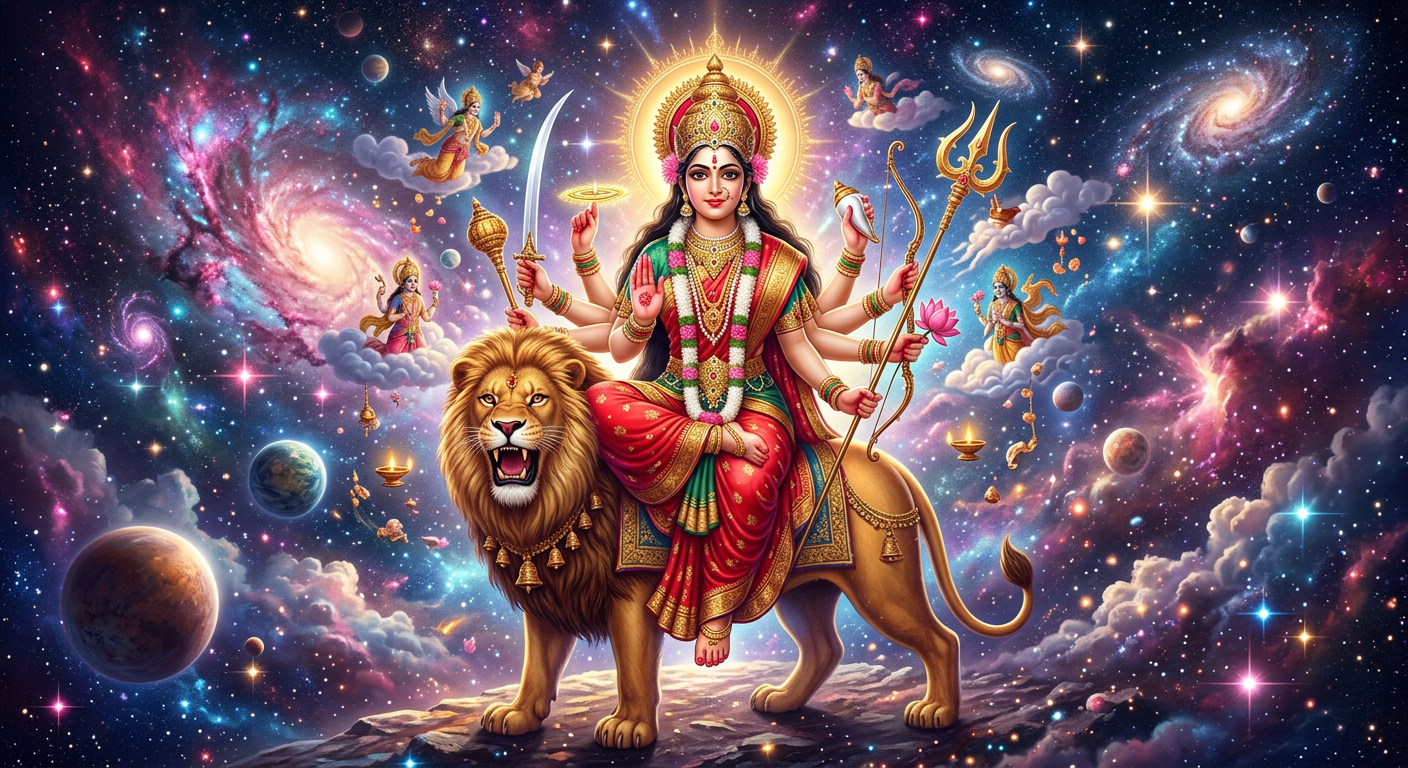
Goddess Brahmacharini: Navratri Day 2, Puja Vidhi, Mantra, Story & Significance
Navratri is one of the most sacred Hindu festivals, celebrated in honor of Goddess Durga and her nine divine manifestations. On the second day of Navratri, devotees worship Goddess Brahmacharini, the second form of Navdurga. She represents devotion, penance, patience, wisdom, and unwavering determination.
The worship of Goddess Brahmacharini reminds devotees that spiritual growth requires discipline, faith, and dedication. Her divine form inspires people to remain focused on their goals and face life's challenges with courage and inner strength.
Who Is Goddess Brahmacharini?
Goddess Brahmacharini is the second manifestation of Goddess Durga among the nine forms of Navdurga. Her name is associated with the practice of Brahmacharya, which traditionally refers to self-discipline, spiritual conduct, and dedication to a higher purpose.
According to Hindu tradition, Goddess Brahmacharini represents Goddess Parvati during the period of intense penance she undertook to win Lord Shiva as her husband. Through her devotion and determination, she demonstrated the power of faith and perseverance.
She is worshipped by devotees seeking spiritual wisdom, mental strength, patience, and the ability to remain committed to their responsibilities and aspirations.
The Divine Appearance of Goddess Brahmacharini
Goddess Brahmacharini is depicted as a serene and graceful goddess who walks barefoot, carrying a rosary in one hand and a sacred water pot, known as a kamandalu, in the other.
Her appearance reflects simplicity, purity, and spiritual dedication.
The principal symbols associated with Goddess Brahmacharini include:
Rosary (Japa Mala): Represents prayer, meditation, and continuous remembrance of the Divine.
Kamandalu: Symbolizes simplicity, spiritual discipline, and renunciation.
Bare feet: Reflect her ascetic lifestyle and dedication to penance.
Peaceful expression: Represents inner calm, patience, and unwavering devotion.
Unlike fierce forms of the Goddess, Brahmacharini is primarily associated with austerity, self-control, and the peaceful pursuit of spiritual goals.
The Story of Goddess Brahmacharini
According to Hindu mythology, Goddess Parvati was born as the daughter of King Himavan, the ruler of the mountains. From an early age, she was devoted to Lord Shiva and wished to marry him.
To fulfill her desire, Parvati undertook intense penance. It is believed that she spent thousands of years in deep meditation and gradually gave up ordinary comforts and food as part of her austerities.
Her determination remained unshaken despite the hardships she faced. Pleased with her unwavering devotion, Lord Shiva eventually accepted her.
This period of intense spiritual discipline is associated with Goddess Brahmacharini, whose name and form symbolize devotion, perseverance, and the strength to remain committed to a sacred purpose.
The story teaches devotees that patience, sincere effort, and steadfast faith can help them overcome obstacles on their spiritual journey.
Significance of Worshipping Goddess Brahmacharini on Navratri Day 2
The second day of Navratri is dedicated to the worship of Goddess Brahmacharini. Her worship follows the first day's devotion to Goddess Shailaputri and continues the spiritual journey of Navratri.
Devotees associate her worship with the cultivation of several positive qualities:
Patience: Learning to remain calm during difficult circumstances.
Discipline: Developing consistency in daily responsibilities and spiritual practices.
Devotion: Strengthening one's connection with the Divine.
Determination: Continuing toward meaningful goals despite challenges.
Inner strength: Developing resilience, self-control, and clarity of purpose.
In spiritual traditions that associate the Navdurga forms with the chakras, Goddess Brahmacharini is often linked with the Svadhisthana Chakra. Interpretations of these associations may vary across traditions.
Goddess Brahmacharini Puja Vidhi
Devotees can worship Goddess Brahmacharini on the second day of Navratri with a simple and sincere prayer ritual.
1. Take a Bath and Make a Sankalp
Wake up early, bathe, and wear clean clothes. Clean the place of worship and make a sincere resolve to observe the day's prayers with devotion.
2. Prepare the Puja Space
Place an image or idol of Goddess Brahmacharini on a clean altar. If you performed Kalash Sthapana on the first day of Navratri, continue the worship according to your family tradition.
3. Offer Flowers and Sacred Items
Light a diya and incense, then offer flowers, akshat (unbroken rice), sandalwood paste, and other customary puja items.
4. Chant the Sacred Mantra
Recite the mantra dedicated to Goddess Brahmacharini with concentration and devotion. You may chant it 11, 21, or 108 times according to your preference and tradition.
5. Offer Bhog
Offer fruits, sugar, mishri, or other suitable vegetarian offerings according to your family or regional customs.
6. Perform Aarti and Pray
Conclude the worship with a traditional Durga or Brahmacharini prayer or aarti. Pray for wisdom, patience, strength, and spiritual progress.
The most important aspects of worship are sincerity, cleanliness, and devotion. Ritual details may differ according to regional customs and family traditions.
Goddess Brahmacharini Mantra
The following mantra is commonly recited during the worship of Goddess Brahmacharini:
ॐ देवी ब्रह्मचारिण्यै नमः॥
Transliteration: Om Devi Brahmacharinyai Namah.
Meaning: Salutations to Goddess Brahmacharini, the divine embodiment of devotion, penance, and spiritual discipline.
Devotees chant this mantra to express reverence and seek inspiration for patience, determination, and inner peace.
Goddess Brahmacharini Dhyana Mantra
दधाना करपद्माभ्यामक्षमालाकमण्डलू।
देवी प्रसीदतु मयि ब्रह्मचारिण्यनुत्तमा॥
Meaning: May the supreme Goddess Brahmacharini, who holds a rosary and a kamandalu in her lotus-like hands, be gracious and bless me.
Devotees may recite this prayer as part of their daily Navratri worship.
What Bhog Is Offered to Goddess Brahmacharini?
During Navratri, devotees offer simple and sattvic food to Goddess Brahmacharini. Sugar and mishri are commonly associated with her worship in popular devotional traditions.
Other offerings may include:
Mishri or rock sugar.
Fresh fruits.
Milk or milk-based sweets.
Other vegetarian preparations suitable for religious offerings.
After the prayer, the offerings may be distributed as prasad among family members and other devotees.
There is no need for elaborate arrangements. Devotees can follow their household customs and regional traditions while maintaining a spirit of gratitude and reverence.
Which Colour Is Associated with Goddess Brahmacharini?
Green is associated with the second day of Navratri in many popular Navratri colour traditions. It symbolizes growth, harmony, renewal, and the natural world.
Devotees may wear green clothing or use green decorative elements during worship if they wish. However, Navratri colour associations vary by region, calendar, and tradition, so it is best to follow the custom observed in your household.
Spiritual Lessons from Goddess Brahmacharini
Goddess Brahmacharini offers a timeless lesson about the importance of patience and self-discipline.
Her story teaches that meaningful achievements often require consistent effort rather than immediate results. Whether a person is pursuing education, professional growth, personal development, or spiritual understanding, perseverance can help them remain committed through difficult periods.
Her peaceful appearance also reminds devotees that true strength does not always need to be expressed through force. Sometimes, the greatest strength lies in self-control, a calm mind, and the ability to remain faithful to one's values.
By remembering Goddess Brahmacharini during Navratri, devotees are encouraged to cultivate discipline, compassion, humility, and unwavering dedication.
Frequently Asked Questions About Goddess Brahmacharini
1. Who is Goddess Brahmacharini?
Goddess Brahmacharini is the second form of Navdurga. She represents devotion, penance, self-discipline, patience, and spiritual determination.
2. When is Goddess Brahmacharini worshipped?
Goddess Brahmacharini is worshipped on the second day of both Chaitra Navratri and Sharad Navratri.
3. What is the mantra of Goddess Brahmacharini?
Her commonly recited mantra is: Om Devi Brahmacharinyai Namah (ॐ देवी ब्रह्मचारिण्यै नमः॥).
4. What does Goddess Brahmacharini hold in her hands?
She is traditionally depicted holding a rosary in one hand and a kamandalu, or water pot, in the other.
5. Which bhog is offered to Goddess Brahmacharini?
Mishri, sugar, fruits, milk, and other sattvic vegetarian offerings are commonly offered according to devotional traditions.
6. What does Goddess Brahmacharini symbolize?
She symbolizes devotion, penance, perseverance, patience, spiritual discipline, and inner strength.
7. Why is Goddess Brahmacharini worshipped on the second day of Navratri?
Her worship marks the second stage of the Navratri spiritual journey and encourages devotees to cultivate discipline, determination, and sincere devotion.
Conclusion
Goddess Brahmacharini, the second manifestation of Navdurga, represents the extraordinary power of devotion, patience, and self-discipline. Her story of penance and unwavering dedication inspires devotees to face life's challenges with courage and remain committed to their values.
As Navratri progresses, her worship reminds us that spiritual growth begins with a sincere heart, a disciplined mind, and faith in the path we choose.
May Goddess Brahmacharini bless everyone with wisdom, patience, inner strength, and peace.
Jai Mata Di!
Comments