Kalash Sthapana 2026: Date, Shubh Muhurat, Puja Vidhi and Significance
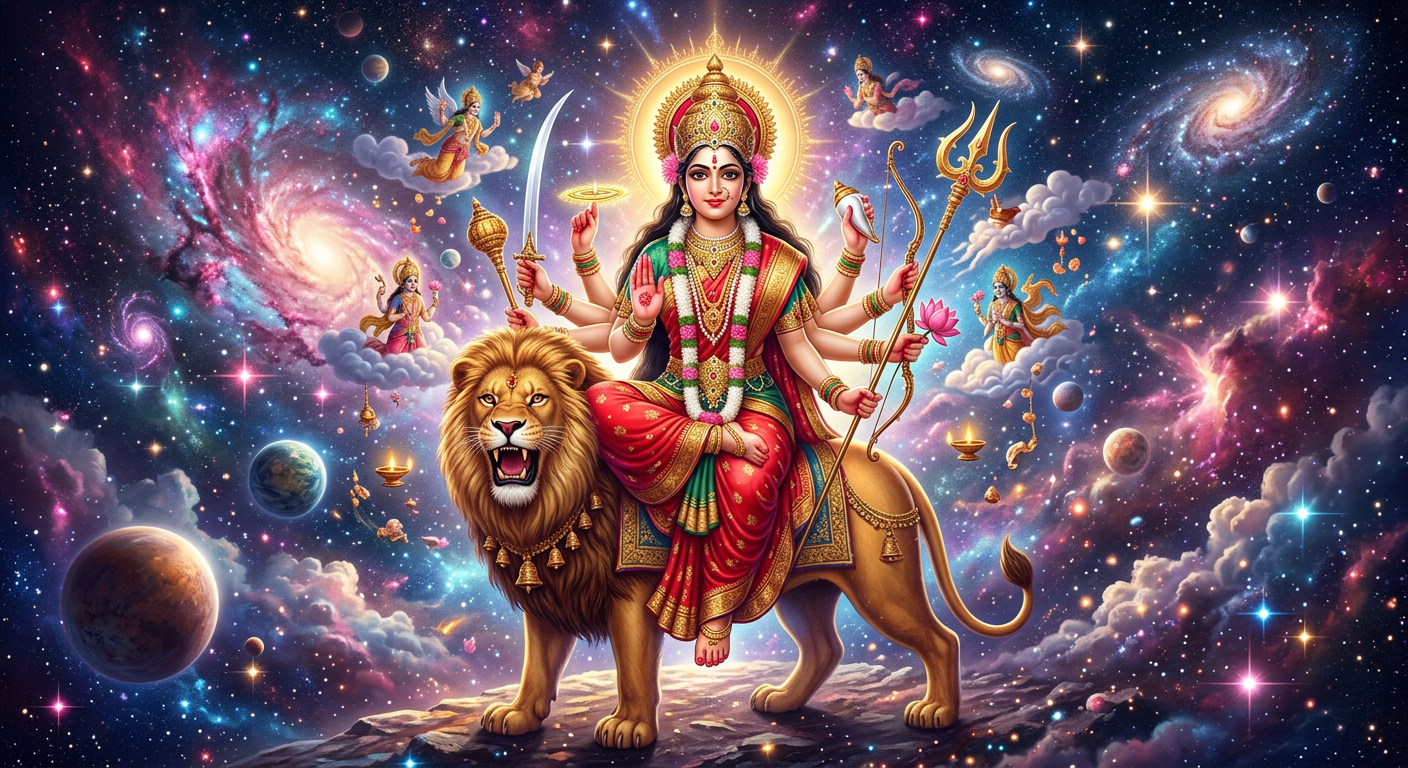
Kalash Sthapana 2026, also known as Ghatasthapana, marks the beginning of Sharad Navratri, one of the most sacred Hindu festivals dedicated to Goddess Durga. During this ritual, devotees establish a sacred kalash and begin nine days of prayers, devotion, fasting, and worship of the nine forms of Goddess Durga.
In 2026, Sharad Navratri begins on Sunday, October 11. Kalash Sthapana is performed on the first day, Ashwin Shukla Pratipada, according to the Hindu lunar calendar. The ritual symbolizes the invocation of divine energy and the beginning of Navratri worship.
In this guide, you will learn about the Kalash Sthapana 2026 date, auspicious timings, required puja samagri, step-by-step ritual, traditional mantras, and the spiritual significance of Ghatasthapana.
Kalash Sthapana 2026 Date and Day
Kalash Sthapana for Sharad Navratri 2026 falls on Sunday, October 11, 2026.
The ritual is performed on the first day of Sharad Navratri, when devotees begin worshipping Goddess Durga and her nine divine forms. It is traditionally performed during an auspicious period on Pratipada, taking local sunrise and the applicable Hindu calendar into consideration.
Kalash Sthapana 2026: Important Details
| Detail | Information |
|---|---|
| Festival | Sharad Navratri 2026 |
| Kalash Sthapana Date | Sunday, October 11, 2026 |
| Hindu Tithi | Ashwin Shukla Pratipada |
| Other Name | Ghatasthapana |
| Main Deity | Goddess Durga |
| Ritual Significance | Beginning of Navratri worship |
| Worship Period | Nine days of Navratri, followed by Vijayadashami observances |
Kalash Sthapana 2026 Shubh Muhurat
The auspicious timing for Kalash Sthapana depends on the location, local sunrise, and the Hindu panchang. Devotees should check the timings for their own city before performing the ritual.
For New Delhi, the commonly published timings for October 11, 2026, are:
| Muhurat | Time |
|---|---|
| Main Ghatasthapana Muhurat | Approximately 6:19 AM to 10:12 AM |
| Abhijit Muhurat | Approximately 11:44 AM to 12:31 PM |
These timings are specific to New Delhi and may differ in other cities. Panchang sources may also differ in their calculations and recommendations concerning Chitra Nakshatra and Vaidhriti Yoga on this date. Follow a trusted local panchang or consult a knowledgeable priest for your location and family tradition.
The ritual should not be scheduled solely on the basis of a generic nationwide time table.
What Is Kalash Sthapana?
Kalash Sthapana, or Ghatasthapana, is a traditional Hindu ritual performed at the beginning of Navratri. A sacred pot filled with water is established in a prepared worship area, accompanied by offerings and prayers.
In Hindu worship, the kalash represents auspiciousness, abundance, purity, and the presence of divine energy. The ritual marks the formal beginning of the devotional observances dedicated to Goddess Durga.
The exact materials and procedure can vary according to regional customs, family traditions, and the guidance followed by the worshippers.
Religious Significance of Kalash Sthapana
Kalash Sthapana is considered an important part of Sharad Navratri because it marks the beginning of nine days of devotion and spiritual discipline.
1. Invocation of Divine Energy
The ritual is performed with prayers inviting divine blessings into the home and the place of worship. Devotees seek the grace of Goddess Durga for strength, protection, peace, and well-being.
2. Symbol of Auspiciousness
The kalash is regarded as a sacred symbol of prosperity and positive beginnings in many Hindu traditions. Water, leaves, and other ritual elements are used according to customary practice.
3. Beginning of Navratri Worship
Kalash Sthapana establishes the worship area for the festival. Families may continue with daily prayers, devotional readings, offerings, and fasting throughout Navratri.
4. Spiritual Discipline and Devotion
Navratri encourages devotees to practise self-discipline, prayer, kindness, and reflection. The installation of the kalash provides a meaningful starting point for these observances.
Kalash Sthapana Puja Samagri 2026
Before beginning the ritual, prepare the required materials according to your family tradition.
Commonly used Kalash Sthapana samagri includes:
A clean kalash or metal pot, traditionally copper, brass, or clay
Clean water
Mango leaves or other leaves prescribed by local custom
A coconut
Red cloth or sacred thread
Roli or kumkum
Akshat, or unbroken rice grains
Fresh flowers
Betel leaves and betel nuts, if used in your tradition
Coins, where customary
A small plate or tray for the kalash
Clean soil and barley seeds, if performing the traditional barley-sowing ritual
A diya and suitable oil or ghee
Incense and other customary offerings
Fruits, sweets, and prasad
An image or idol of Goddess Durga
Not every household uses every item. Follow the practices customary to your family and community.
Kalash Sthapana Vidhi: Step-by-Step Puja Procedure
The following is a general outline of the traditional ritual. Specific procedures may vary by region and family tradition.
Step 1: Clean the Puja Area
Clean the place where the kalash will be installed. Many families decorate the worship area with flowers, rangoli, and traditional designs.
Take a bath, wear clean clothes, and prepare the puja materials before starting.
Step 2: Prepare the Base for the Kalash
If your tradition includes sowing barley, place clean soil in a suitable container and sow the barley seeds according to the customary method.
The growing barley is traditionally associated with prosperity, renewal, and the natural cycle of life.
Step 3: Prepare the Kalash
Fill a clean kalash with water and add customary offerings, such as a coin or other prescribed items, if required by your tradition.
Apply a tilak to the pot. Arrange mango leaves around its opening and place a coconut on top when this is part of your family's practice.
Handle the coconut and leaves carefully so that the arrangement remains stable.
Step 4: Establish the Kalash
Place the prepared kalash on the designated worship platform or on the prepared base, according to the ritual being followed.
Position the image or idol of Goddess Durga nearby and arrange the other puja items.
Step 5: Take a Sankalp
Offer a prayer expressing your intention to worship Goddess Durga during Navratri. Traditionally, a sankalp identifies the devotee and the purpose of the worship.
You may pray for peace, health, wisdom, strength, and the well-being of your family.
Step 6: Worship Goddess Durga
Offer flowers, kumkum, akshat, incense, and other customary items to the goddess. Recite a Durga mantra, Durga Chalisa, or another devotional prayer according to your tradition.
The first day of Sharad Navratri is associated with the worship of Maa Shailputri.
Step 7: Light the Diya and Perform Aarti
Light a diya safely in the designated worship area. If your tradition includes an Akhand Jyoti, ensure it is placed in a stable, fire-safe location and supervised appropriately.
Conclude the initial worship with prayers and aarti.
Step 8: Continue Daily Worship
Throughout Navratri, devotees may offer flowers, light a diya, recite devotional texts, observe a fast according to their health and tradition, and pray to the nine forms of Goddess Durga.
Follow the prescribed customs for maintaining the kalash and concluding the ritual at the end of the observance.
Kalash Sthapana Mantra
A commonly recited invocation to Goddess Durga is:
ॐ दुं दुर्गायै नमः॥
Transliteration: Om Dum Durgayai Namah.
Meaning: A devotional salutation to Goddess Durga, seeking her blessings and protection.
Devotees may repeat this mantra with faith during the puja. Other mantras and ritual invocations may be used according to the family tradition or the guidance of a priest.
Why Is Barley Sown During Navratri?
In many North Indian traditions, barley seeds, commonly called jau, are sown in a small container of soil during Kalash Sthapana.
The seeds are watered carefully, and their growth is observed during Navratri. The emerging shoots are traditionally associated with prosperity, vitality, and auspiciousness.
The practice varies across regions, and barley sowing is not a mandatory part of every community's Navratri observance.
Kalash Sthapana and the Nine Days of Navratri
Kalash Sthapana marks the beginning of worship dedicated to the nine forms of Goddess Durga.
| Day | Goddess | Spiritual Association |
|---|---|---|
| Day 1 | Maa Shailputri | Strength and grounding |
| Day 2 | Maa Brahmacharini | Devotion and discipline |
| Day 3 | Maa Chandraghanta | Courage and protection |
| Day 4 | Maa Kushmanda | Creation and vitality |
| Day 5 | Maa Skandamata | Motherhood and compassion |
| Day 6 | Maa Katyayani | Courage and determination |
| Day 7 | Maa Kalaratri | Protection from negativity |
| Day 8 | Maa Mahagauri | Purity and peace |
| Day 9 | Maa Siddhidatri | Spiritual fulfilment and blessings |
The exact civil dates of individual Navratri observances can depend on the local calendar and the way lunar tithis fall in 2026. Consult a local panchang for the date of each day's puja.
Important Things to Remember During Kalash Sthapana
Check the correct date and muhurat for your city.
Prepare the worship area and materials beforehand.
Follow your family's traditional puja procedure.
Keep the kalash and surrounding area clean.
If maintaining an Akhand Jyoti, take proper fire-safety precautions.
Observe fasting according to your health and personal circumstances.
Avoid relying on a single generic muhurat for every location.
The purpose of the ritual is devotional worship. Perform it respectfully according to your tradition and the guidance you trust.
Frequently Asked Questions About Kalash Sthapana 2026
When is Kalash Sthapana in 2026?
Kalash Sthapana for Sharad Navratri 2026 falls on Sunday, October 11, 2026, the first day of Navratri.
What is the shubh muhurat for Kalash Sthapana 2026?
For New Delhi, the commonly published main muhurat is approximately 6:19 AM to 10:12 AM, with an alternative Abhijit Muhurat around 11:44 AM to 12:31 PM. Exact timings depend on location and panchang calculations.
Is Kalash Sthapana the same as Ghatasthapana?
Yes. Kalash Sthapana and Ghatasthapana are commonly used names for the ritual of establishing the sacred pot at the beginning of Navratri.
What items are needed for Kalash Sthapana?
Common items include a clean kalash, water, a coconut, leaves, flowers, kumkum, rice grains, a diya, and other traditional offerings. Soil and barley seeds are used when following the barley-sowing custom.
Why is Kalash Sthapana performed during Navratri?
It marks the beginning of Navratri worship and symbolizes auspiciousness and the invocation of divine blessings.
Can Kalash Sthapana be performed at home?
Yes. Many families perform the ritual at home following their customary procedure. If you are unsure about the exact muhurat or ritual steps, consult a trusted local panchang or priest.
What is the mantra for Kalash Sthapana?
A commonly recited Durga mantra is “ॐ दुं दुर्गायै नमः॥” (Om Dum Durgayai Namah). Devotees may also recite other traditional prayers.
What happens after Kalash Sthapana?
Devotees continue daily worship during Navratri, offering prayers and observing their customary practices. The festival concludes with the appropriate rituals associated with the final day and Vijayadashami.
Conclusion
Kalash Sthapana 2026 marks the beginning of Sharad Navratri on Sunday, October 11. This sacred ritual brings devotees together in prayer and establishes the setting for nine days of worship dedicated to Goddess Durga.
By preparing the kalash, offering prayers, reciting devotional mantras, and following family traditions, devotees express their faith and seek blessings for peace, courage, prosperity, and well-being.
Check the local panchang for the appropriate muhurat, prepare the puja materials in advance, and celebrate Navratri with devotion and care.
May Maa Durga bless you and your family with strength, happiness, peace, and prosperity.
Jai Mata Di!

Comments